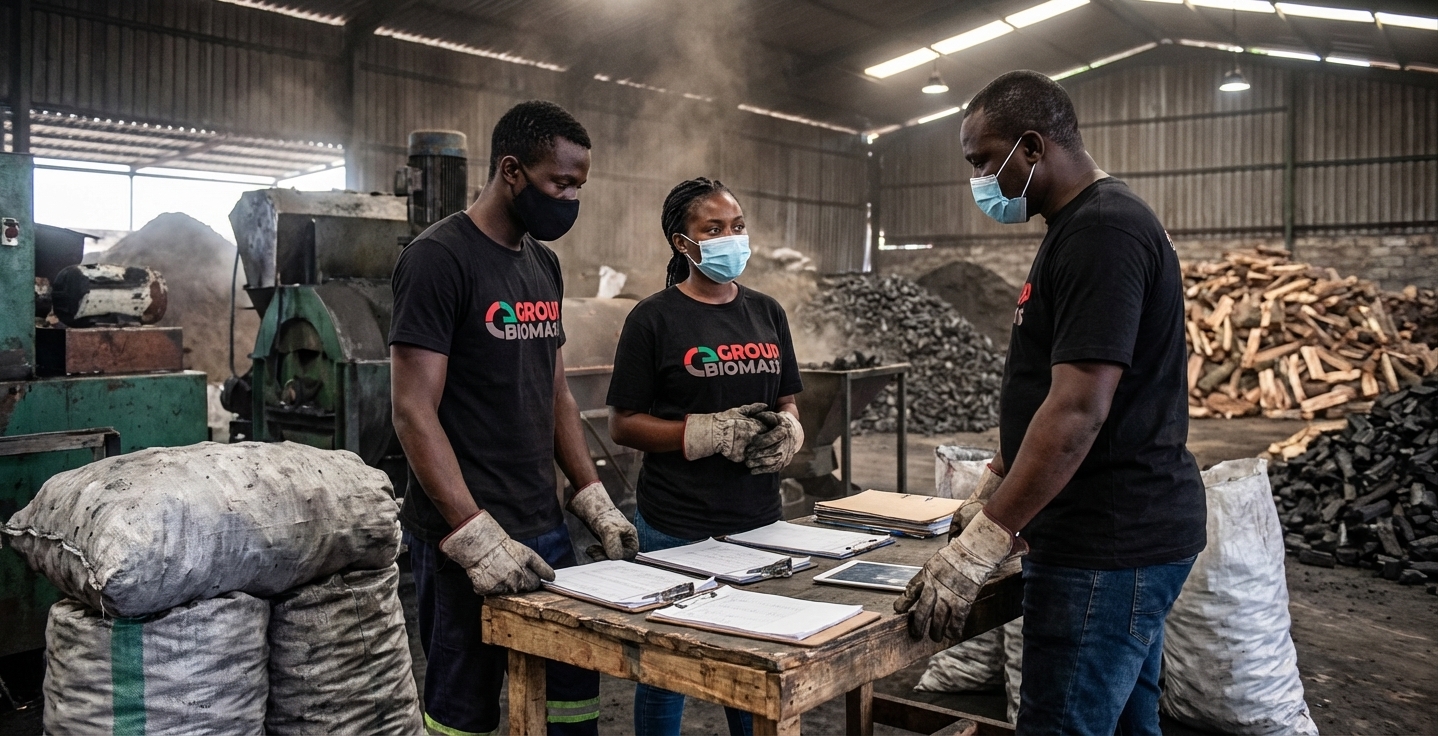
Deep within the country, a massive site stands as a symbol to the rising demand for wood fuel . This industrial complex, reportedly the country’s premier charcoal plant , is drawing attention for both its size and the potential environmental impact . While providing livelihoods for regional communities, the factory's processes are prompting questions about sustainable forest management and the long-term health of the nation's natural resources.
Natural Lump Carbon Export Boom: The Emerging Star
Cameroon is seeing a remarkable surge in hardwood lump charcoal shipments, positioning itself as a major player in the global sector. Thanks to increasing demand from European US and Pacific markets, the country’s supply of this eco-friendly fuel is rapidly increasing, offering new avenues for regional communities and strengthening the country's prosperity. The focus on sustainably sourced wood granulated carbon is proving to be a critical aspect in gaining international customers.
Inside Cameroon’s Hardwood Lump Charcoal Factory: Production & Sustainability
Stepping into a average Cameroon forest lump carbon factory shows a rather straightforward process of creation. Untreated wood, often obtained from sustainable areas, are thoroughly felled and moved to a furnace. Within this area, the timber is slowly burned with restricted oxygen, a technique that converts it as piece charcoal. Although the conventional methods used can be difficult, increasingly contemporary factories are incorporating better techniques and trying methods to improve their output and environmental sustainability. This includes allocating in renewable power and applying rigorous debris management strategies.
The Charcoal Industry : A Major Contributor in Worldwide Exports
Despite mounting environmental concerns , Cameroon’s lump charcoal sector remains a surprising yet vital contributor in the global export market . The production of charcoal from forest biomass is a essential source of income for many of Cameroonian communities, particularly in underserved regions . This activity generates a substantial quantity of wood charcoal heading for overseas consumers, often providing cooking needs in other nations , though this dependence creates difficulties relating to deforestation and eco-friendly forest stewardship .
Le Entre Charbon de Bois En Bloc de Bois Dur vs. Les Briquettes : Un Point de Vue Camerounaise
Dans le Cameroun , la choix entre le combustible de bois dur en bloc et les briquettes soulève une interrogation . Traditionnellement, , le charbon de bois dur est utilisé afin de son saveur distinctif et sa aptitude à créer une température forte, parfaite pour here la rôtisseries locales . Néanmoins, , des briquettes , davantage faciles à trouver et plus chères , gagnent en attention, particulièrement dans les régions modernes.
Eco-friendly Charcoal Making : The Future of Cameroon’s Forest Business
The current method of charcoal production in Cameroon presents a major threat to its valuable hardwood timberlands. However, emerging sustainable techniques offer a viable path forward. These include technologies like wood waste gasification and improved earth kilns , which lessen deforestation, cut emissions, and offer livelihood opportunities for local villagers. Embracing these sustainable solutions is essential to safeguarding Cameroon's precious heritage and guaranteeing the long-term future of its hardwood sector while tackling climate change .